
BEYOND SEO: HOW TO ADAPT DIGITAL MARKETING FOR AI SEARCH
From SEO to paid media, generative AI is rewriting the rules of online engagement. Search engines are no longer gateways to websites - they’re answer machines, serving instant responses with minimal effort from users.
For searchers, it’s a win. But for marketers, it’s a wake-up call. The challenge has shifted from chasing clicks to building trust, authority, and tangible impact - in a time where visibility alone is no longer enough to succeed.
To explore what this means for brands, we sat down with our head of digital, Matt Rees, to discuss how AI is reshaping digital marketing - and what businesses must do to stay competitive.
The rise of AI search and zero-click results
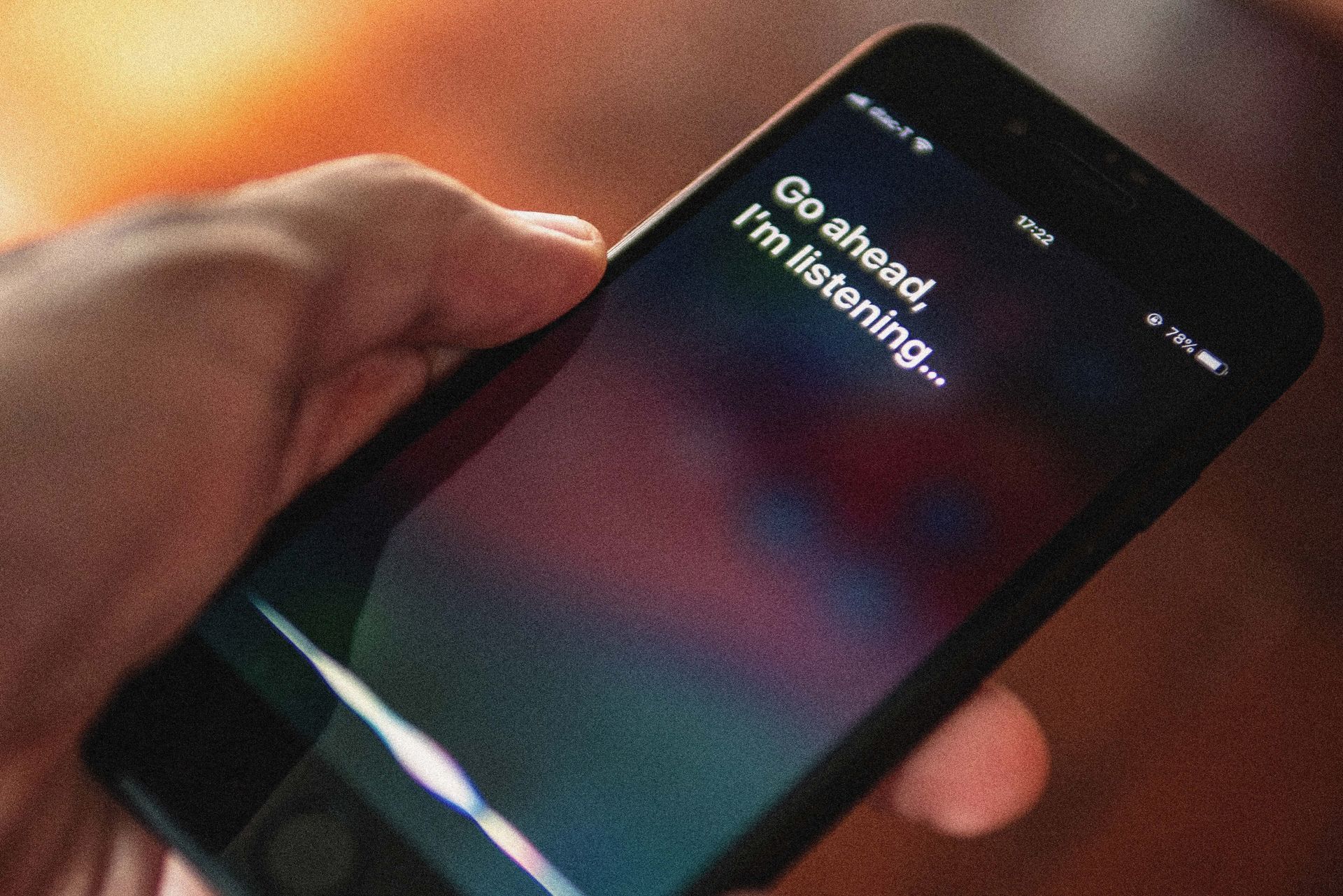
Google’s AI Overviews and “AI search mode” aren’t just shiny new features - they are rewriting the SEO rulebook.
Instead of that familiar list of ten blue links, searchers now receive an AI-generated summary that often provides the answer in full, pulled from multiple sources across the web. People don’t need to search themselves anymore, AI is doing the hard work. And, this change is having a clear knock-on effect. Impressions are rising, but clicks are falling.
“Zero-click searches are quickly becoming the norm, leaving teams with incomplete reporting, limited tracking, and far too many blanks in their analytics,” says Matt. “It does feel a bit like flying blind, with frequent updates and changes to adapt to. But, hidden in that frustration, is opportunity.”
SEO shift: From ranking first, to being chosen first
Traditional SEO has always been about rankings. But now, a number one spot is meaningless if a giant AI box pushes it below the fold. What really matters is being selected by the AI to appear within its generated answers - the goal has shifted.
“Being chosen by AI requires a different approach. Every brand is competing to be included in a single AI response. And to get included, content now needs to directly address user questions, demonstrate authority, and show credibility,” Matt comments. “Keywords alone no longer cut it. Clear writing, driven by intent, gives brands the best chance of being surfaced in those all-important summaries.”

Paid media: the changing price of presence
Thanks to the ever-changing algorithms and platform updates, SEO teams aren’t the only ones under pressure. Paid media is shifting too. Google has already began testing advertisement placements inside AI results. That means budgets are likely to swing harder towards conversion-focused campaigns, with inevitable competition driving up cost-per-clicks.
But, there is a golden opportunity for brands within this shift. Matt adds, “When ads ultimately appear within AI results, they are embedded within highly relevant, solution-driven contexts. Users aren’t scrolling idly - they are actively seeking answers - and this makes relevance and alignment more valuable than ever.”
The role of Digital PR in AI search
As AI shifts the way we search, strong digital PR becomes even more valuable. When AI tools pull together their summaries, they lean on sources that are trusted, credible, and frequently referenced across the web. That means a consistent stream of high-quality coverage, thought leadership, and brand mentions can help your business become part of the conversation at the AI level.
“PR isn’t just about headlines anymore,” Matt notes. “It shapes how search systems understand your authority. Every media placement, expert quote, or partnership featured online creates signals that reinforce your relevance. This is why digital PR and SEO are no longer separate disciplines – they excel when they feed into one another.”
For brands, the focus should be on visibility in places that their audiences reside, from national media and trade publications to niche outlets and social feeds. The more these signals build, the stronger your chance of being surfaced in AI-driven search results.

Are websites still worth it?
If AI can provide the answers, do websites still have a role? Absolutely - but their part has changed. Websites are becoming validation and conversion layers, rather than the first point of discovery.
“Visitor numbers may fall, but those who do arrive are more motivated,” Matt says. “They’ve already encountered your brand within an AI overview or an ad, and by the time they reach your site, they’re closer to making a decision. That makes design, clarity, and trust signals more critical than ever.”
Measuring impact in a zero-click world
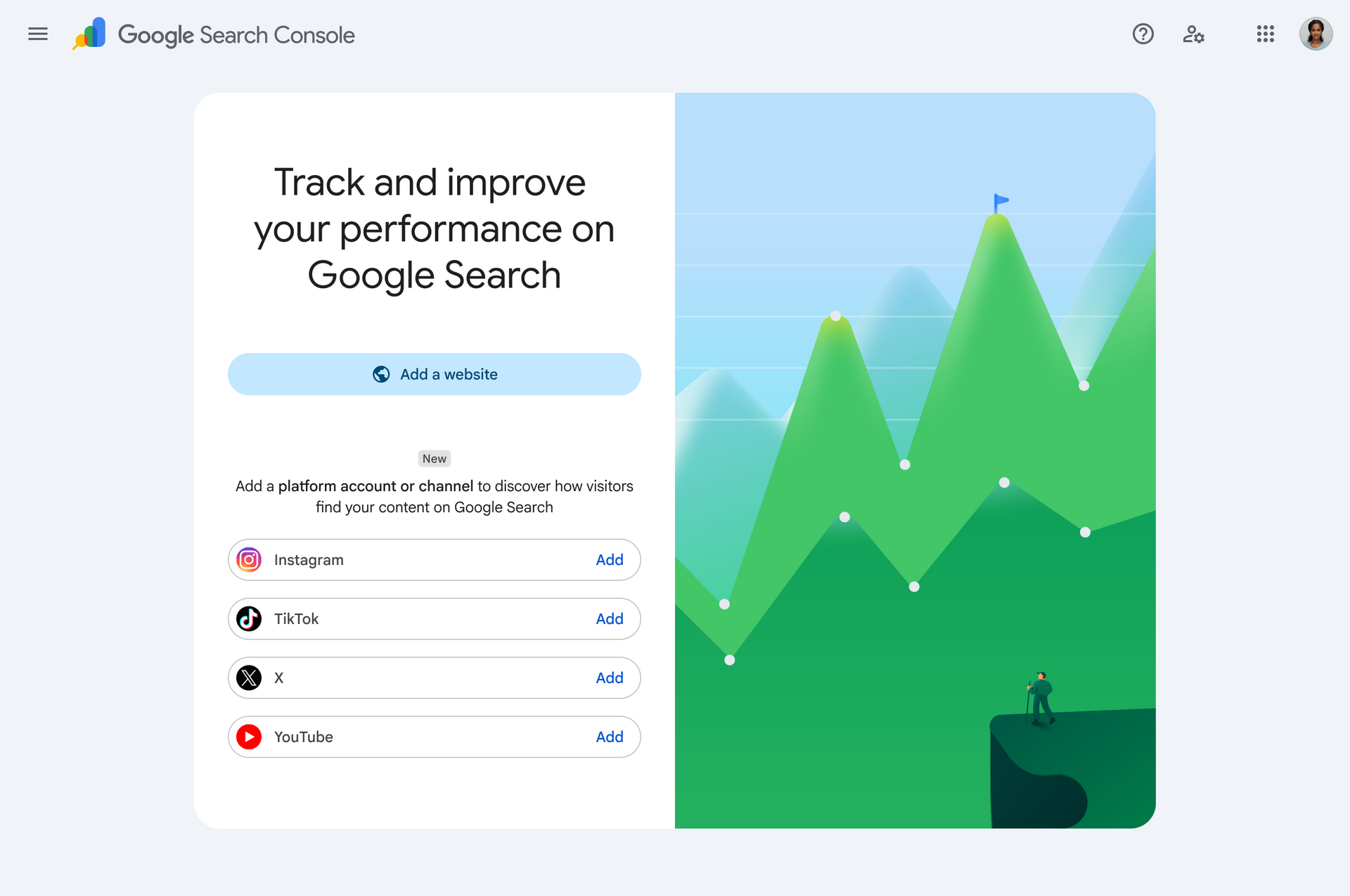
With reporting proving more important than ever to prove value in the industry, accurately measuring the results of digital marketing activity is vital - but it’s also difficult.
“A user may see your brand in an AI snippet today, think about it tomorrow, and only convert weeks later. Traditional analytics aren’t designed for journeys that stretch across multiple touchpoints without a single obvious click – thus making it harder and harder to prove impact,” Matt comments.
“To adapt, marketers need to rely more on first-party data and wider attribution models. Media mix modelling will be essential to understand influence, even when direct referral data isn’t there.”
Zero-click doesn’t mean zero impact - but it does mean marketers need to change how they prove value.

AI in digital marketing: The opportunity ahead
AI search has created disruption in the marketing world, but it has also forced a return to fundamentals. Authority, credibility, and relevance now matter more than raw rankings or traffic.
“At Tribera, we see this as a chance to move past vanity metrics and towards genuine influence,” Matt continues. “By aligning SEO, paid media, online experiences, and smarter measurement, brands can not only adapt to this new environment, but thrive within it”.
Search engines may be evolving into answer engines – but the real answer lies in how you show up for your audience.
Ready to up your digital marketing game?
The shift to AI search is already here - and it’s only going to accelerate. Staying ahead means bringing together SEO, paid media, PR, and smart data to create strategies that drive genuine results. At Tribera, our digital, creative, and PR teams work side by side to help brands adapt, stand out, and grow in this new search era.
If you’re ready to rethink your approach and see what’s possible, get in touch with us today to find out how Tribera can support your digital marketing goals. Tribera has been named as a Top Digital Marketing Agency in Birmingham by DesignRush.