
AI DIDN'T MAKE MARKETERS MORE CREATIVE. IT MADE THEM MORE SCARED.
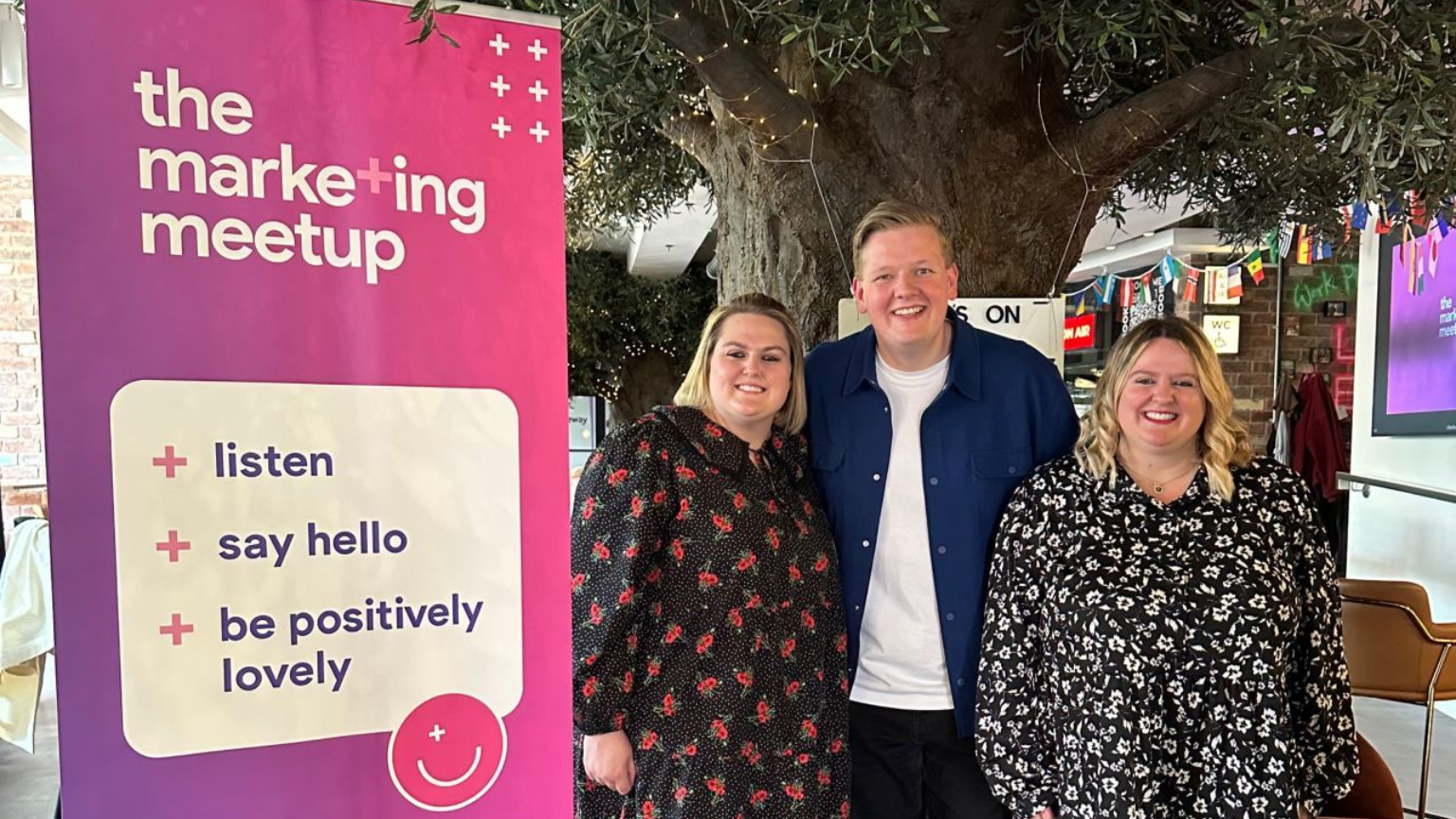
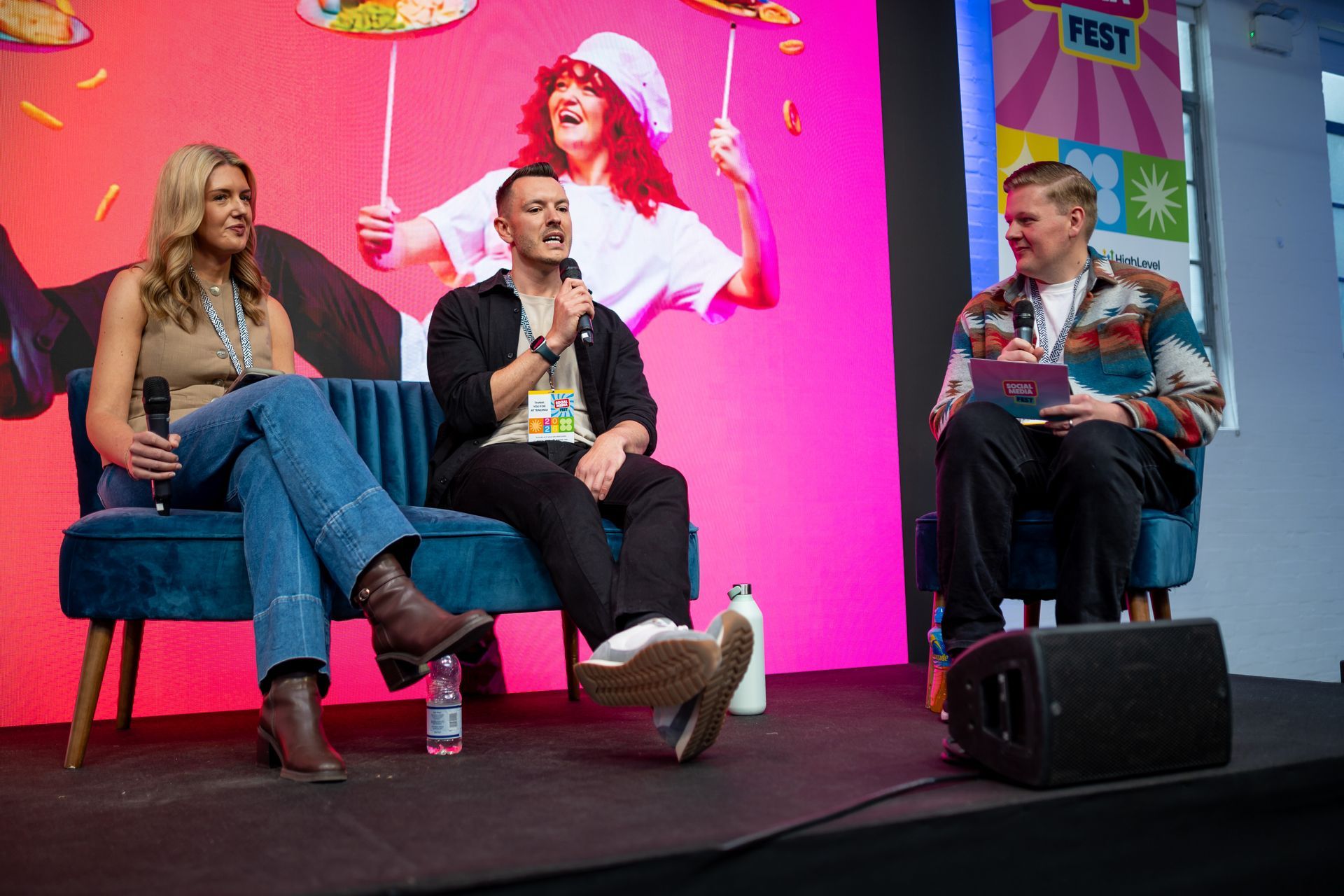
The co-founder of Tribera argued in his recent Marketing Meet Up talk that the real crisis in marketing isn't artificial intelligence. It's the very human loss of nerve that came with it.
There's a question that's been nagging at me since AI broke into the mainstream, and I haven't heard anyone in marketing answer it honestly: where did the dream go?
The promise was simple. AI would do the stuff we hated, the reformatting, the resizing, the fourth draft of the same press release, so we could do the stuff we loved. The bold work. The swing that might not land. The idea so strange it probably shouldn't exist.
Instead, something else happened. We got faster. We got more prolific. And we got profoundly, almost comically, boring.
Why does AI-generated marketing all look the same?
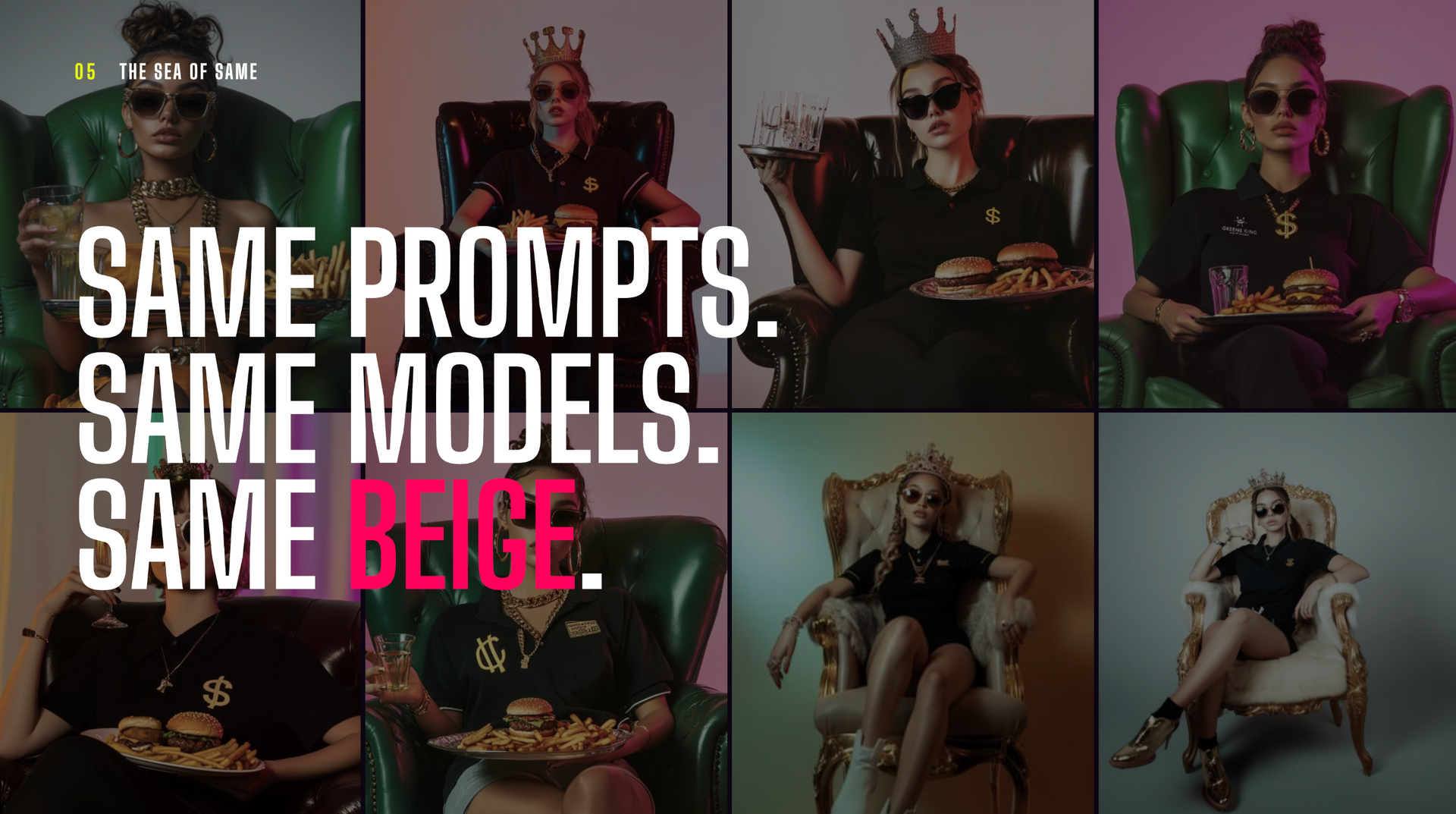
Walk through any brand's social feed today and you'll see it. The same blue gradient, the same rounded sans-serif, the same AI-generated human with uncanny eyes and suspiciously perfect teeth. Same prompts. Same models. Same beige.
The old tells are vanishing. The six-fingered hands, the garbled text, the robotic copy. What's replacing them isn't originality. It's plausibility. A flood of content that looks correct, reads correctly, and means absolutely nothing.
Marketing has a new problem. It's no longer hard to produce. It's hard to matter.
What has AI actually done to marketers?
The volume isn't even the worst of it. The worst of it is what's happened to marketers themselves.
We used to be mavericks. Now we're paralysed. Paralysed by the fear of standing out, of being misunderstood, of producing something an ROI dashboard can't explain. AI, ironically, has given us infinite tools to execute and almost no permission to be interesting.
The industry split into two camps when AI arrived. First, the newcomers, for whom AI was a sudden, liberating access to creativity, the model doing the heavy lifting, trained on everything that already existed. Second, the professionals, squeezed for budget and time, under pressure to do more with less. Both groups picked up the same tools and arrived at the same destination. More output. Less impact.
What nobody talks about is the risk aversion that travels with the technology. When you can produce fifty variations of an ad in an afternoon, you optimise for the one most likely to perform. You A/B test your way to the mean. The algorithm doesn't pick the brave idea. That's not a criticism of the machine. It's an observation about what happens when humans let the machine lead.
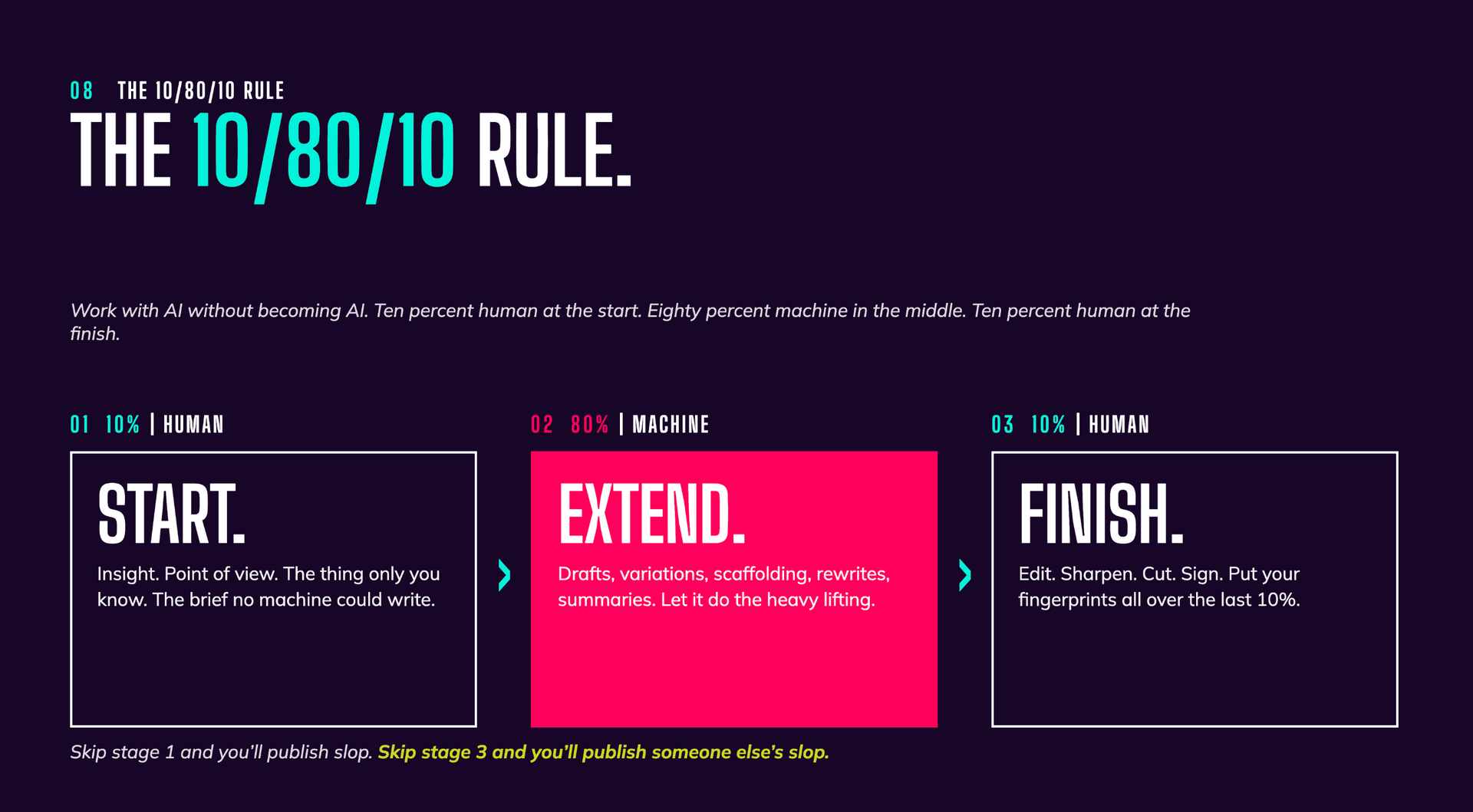
The 10/80/10 rule
There's a way to use AI that actually works, but it requires putting the human back at both ends.
I call it the 10/80/10 rule. Ten percent human at the start: the insight, the point of view, the brief no machine could write, because no machine has lived your life or your client's customer's life. Eighty percent machine in the middle: the drafts, the variations, the scaffolding. Let it do the heavy lifting. Then ten percent human at the finish: the edit, the sharpening, the cut that makes it yours.
Skip the first ten percent and you'll publish slop. Skip the last ten percent and you'll publish someone else's slop.
The human value isn't what's left over when AI is done with the work. It's what AI can never start.
What can humans do that AI can't?
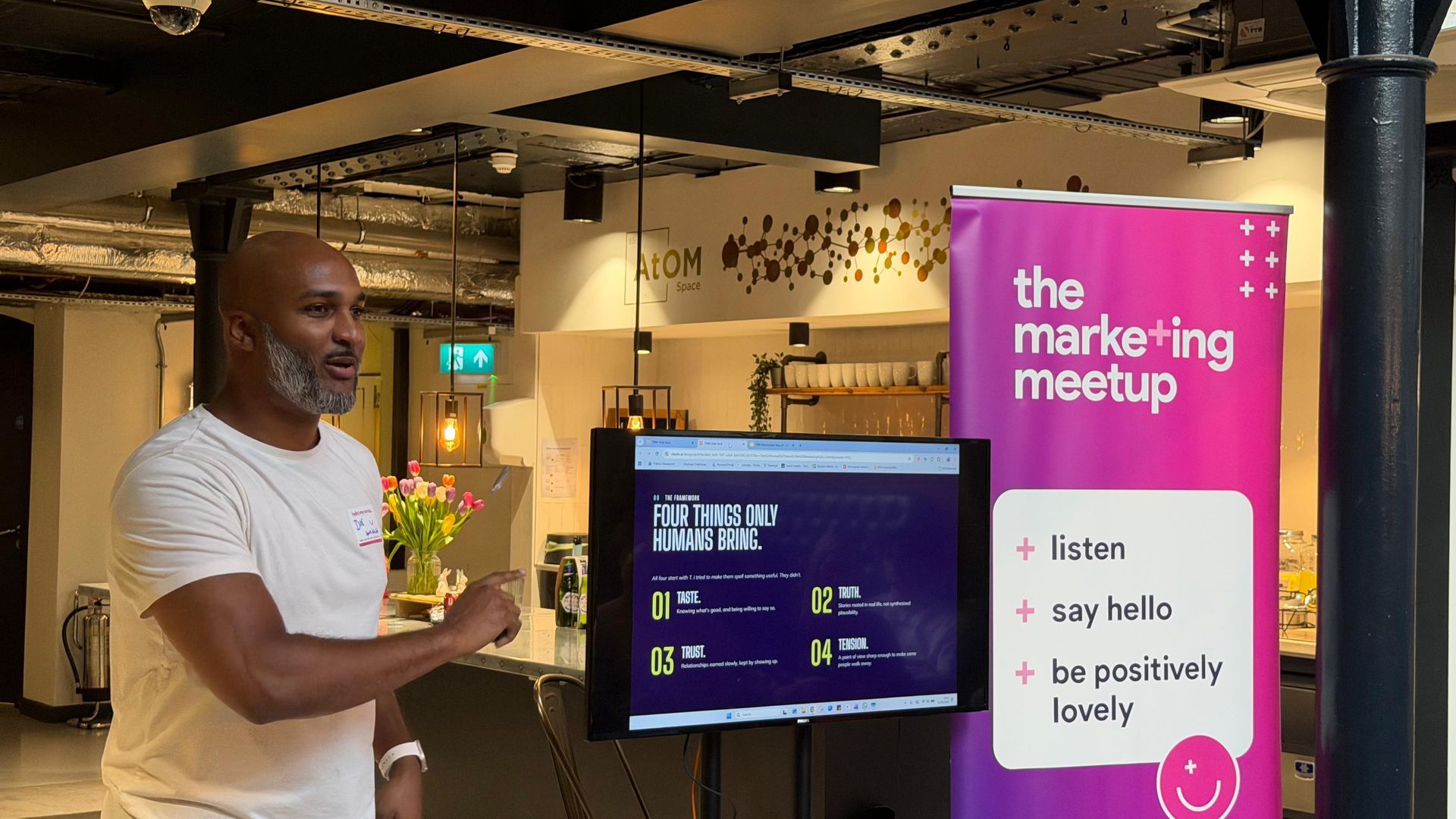
After years of making marketing and watching what lands versus what disappears, I've reduced it to four qualities. All four start with T. I tried to make them spell something useful. They didn't.
Taste. Knowing what's good, and being willing to say so. AI can generate a thousand options. It cannot tell you which one is right. Adidas doesn't make great work because they have a better prompt. They make great work because someone in the room has the taste to know which frame is the one, which cut is the one, which moment lands. The tool is only as good as the taste of the human steering it.
Truth. Stories rooted in real life, not synthesised plausibility. Models produce what's statistically likely. Humans produce what actually happened, what was actually felt. Dove's decision to commit, publicly and permanently, to never using AI to create or distort women's images in their advertising isn't a technical choice. It's a moral one, born from a truth about how manufactured images damage real people. That's not something a language model arrives at on its own.
Trust. According to Kantar's Media Reactions research from 2025, 57% of consumers are now worried about fake or misleading AI advertising. Trust has become the scarce resource in marketing, and it can only be earned by humans, through consistency, accountability, and the willingness to be seen. Virgin's campaign with Jennifer Lopez worked not because the technology was impressive, but because they handed something valuable to their audience and trusted them with it.
Tension. A point of view sharp enough to make some people walk away. The algorithm will never recommend this. The algorithm is optimised for engagement, which means it gravitates toward consensus. But the best marketing has always lived in the uncomfortable space between what's safe and what's true. BodyArmor using AI's imperfections to attack artificial ingredients in their competitors' products isn't a campaign a model would generate. It's a position. It has enemies. That's the point.
What separates the brands winning at AI from the ones drowning in it?
Marketing was meant to be art and science in equal measure. The science got significantly more powerful. The art got quietly abandoned.
The brands winning right now, the ones you actually notice, the ones that make you feel something in your gut, aren't the ones with the most sophisticated AI pipeline. They're the ones with enough conviction in their point of view to let a human make the final call.
Bill Bernbach said it in the 1960s and it hasn't aged. "You've got to say it in such a way that people will feel it in their gut. Because if they don't feel it, nothing will happen."
AI doesn't feel anything. It doesn't have a gut. That's not a limitation to work around. That's the job description for everyone still in this industry.
Stay maverick.
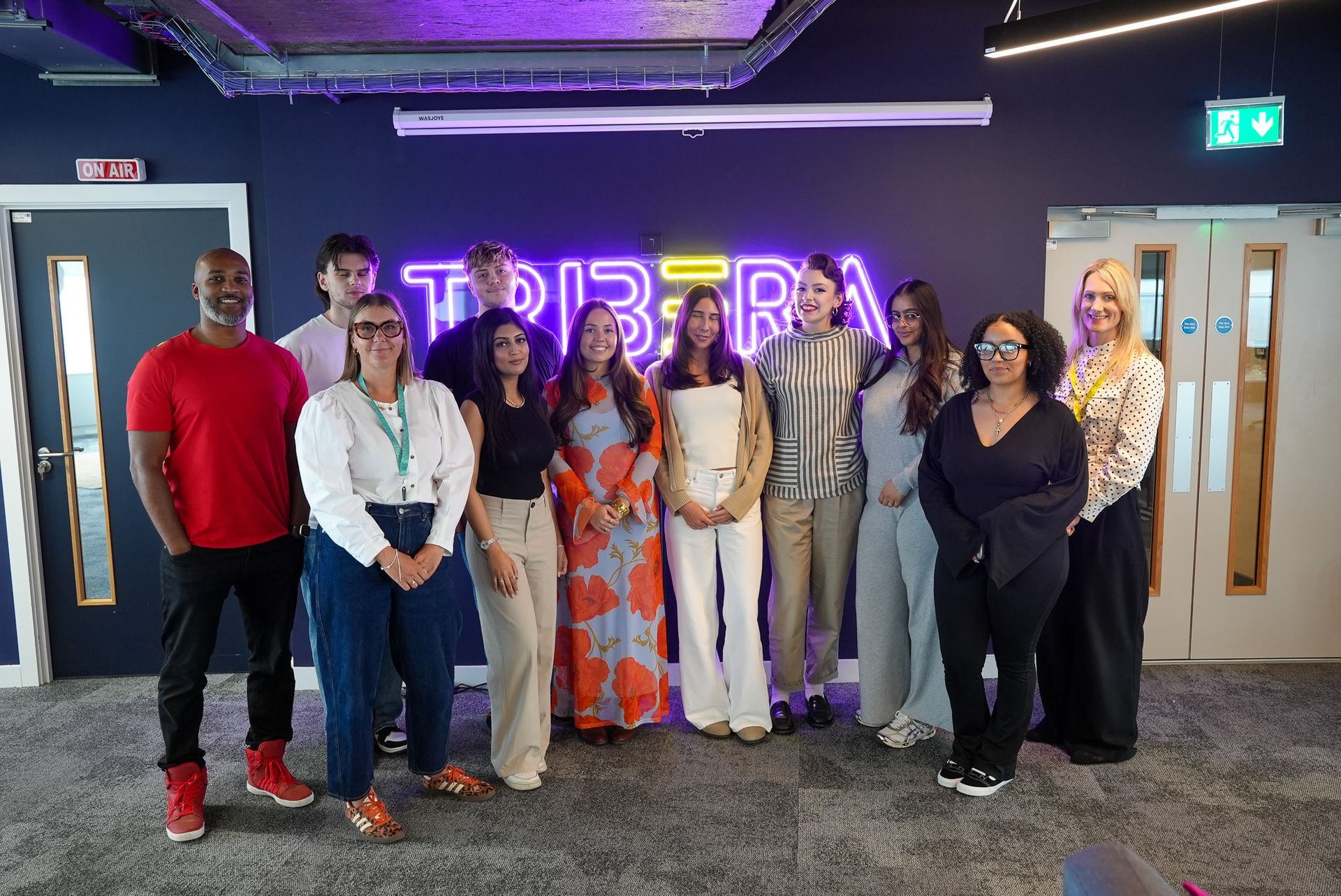
Ready to make marketing that actually matters? Get in touch with the Tribera team.
FAQS
Is AI making marketing creativity worse?
Not on its own. AI is a tool. What's making creativity worse is the risk aversion that travels with it. When you can produce fifty variations in an afternoon, you optimise for the safest one, not the bravest one. The machine isn't the problem. Letting the machine lead is.
What is the 10/80/10 rule for using AI in marketing?
Ten percent human at the start, the insight and the point of view. Eighty percent machine in the middle, the drafts and the scaffolding. Ten percent human at the finish, the edit and the sharpening. Skip either ten percent and you publish slop.
Should marketers stop using AI?
No. Use it for the middle eighty percent of the work. Don't let it touch the first or last ten. The drafts, the variations, the formatting, that's what AI is good at. The brief, the taste call, the final edit, that's the human's job.
Which brands are using AI well in marketing?
The ones with a clear point of view that AI serves rather than replaces. Dove, for the position they've taken on not using AI on women's images. Brands willing to commit to taste, truth, trust and tension, the four things only humans bring.