
EMPLOYEE GENERATED CONTENT: HOW GREENE KING TURNED ITS TEAM INTO ITS BEST MARKETERS
Greene King's pub teams now post more than 15,000 times a week. In 2025, that employee generated content contributed around £18.2 million in sales, with no media spend behind it. Here's the part most brands miss: the same thinking works just as hard for hiring. When we put Greene King's own people at the centre of a recruitment campaign, applications rose 111%.
The reason is simple. People trust people. A customer choosing a pub, or a candidate choosing a job, wants to see what a place is actually like, not a polished brand message. Show them real teams having a real time, and the right people walk through the door.
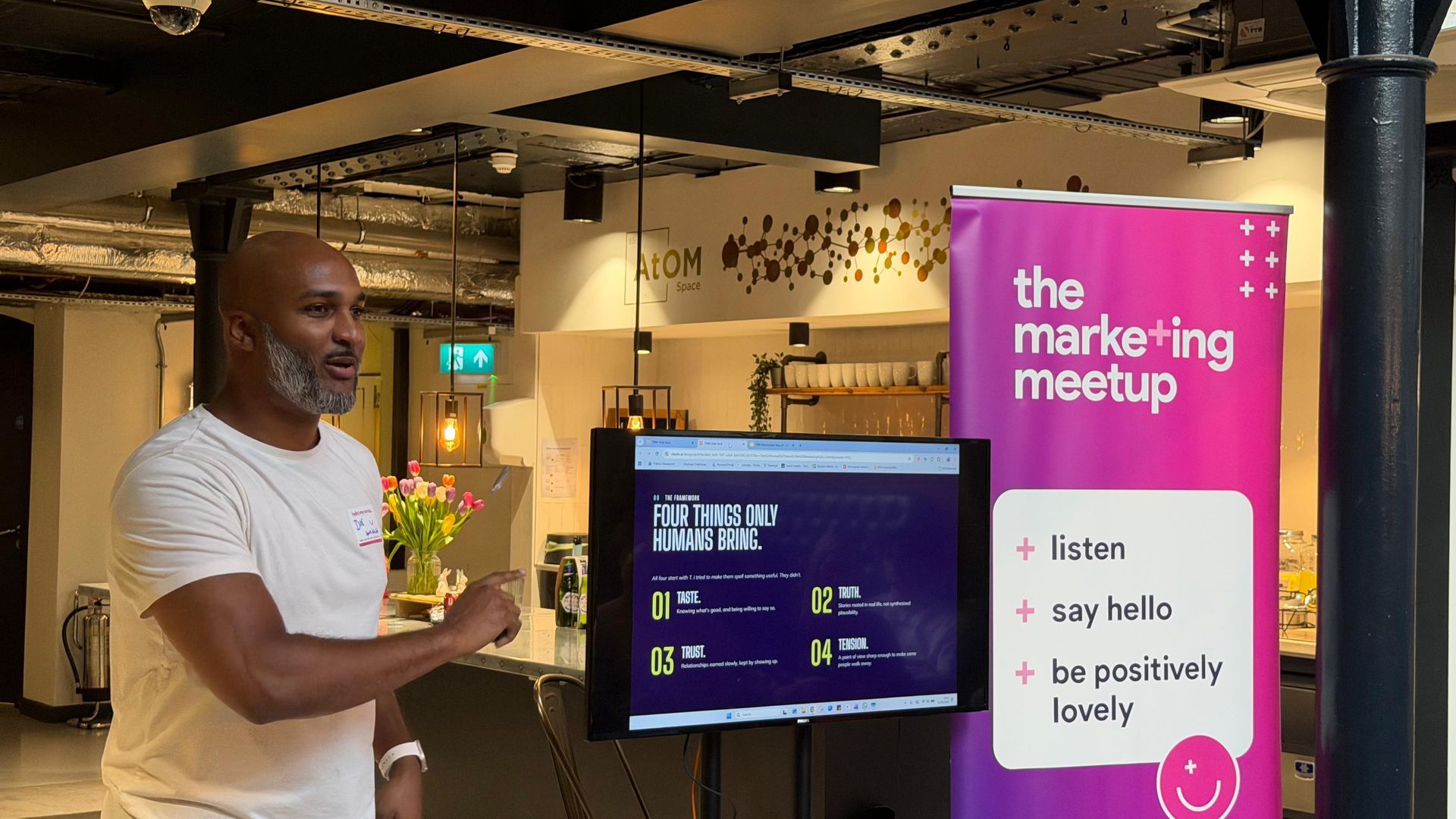
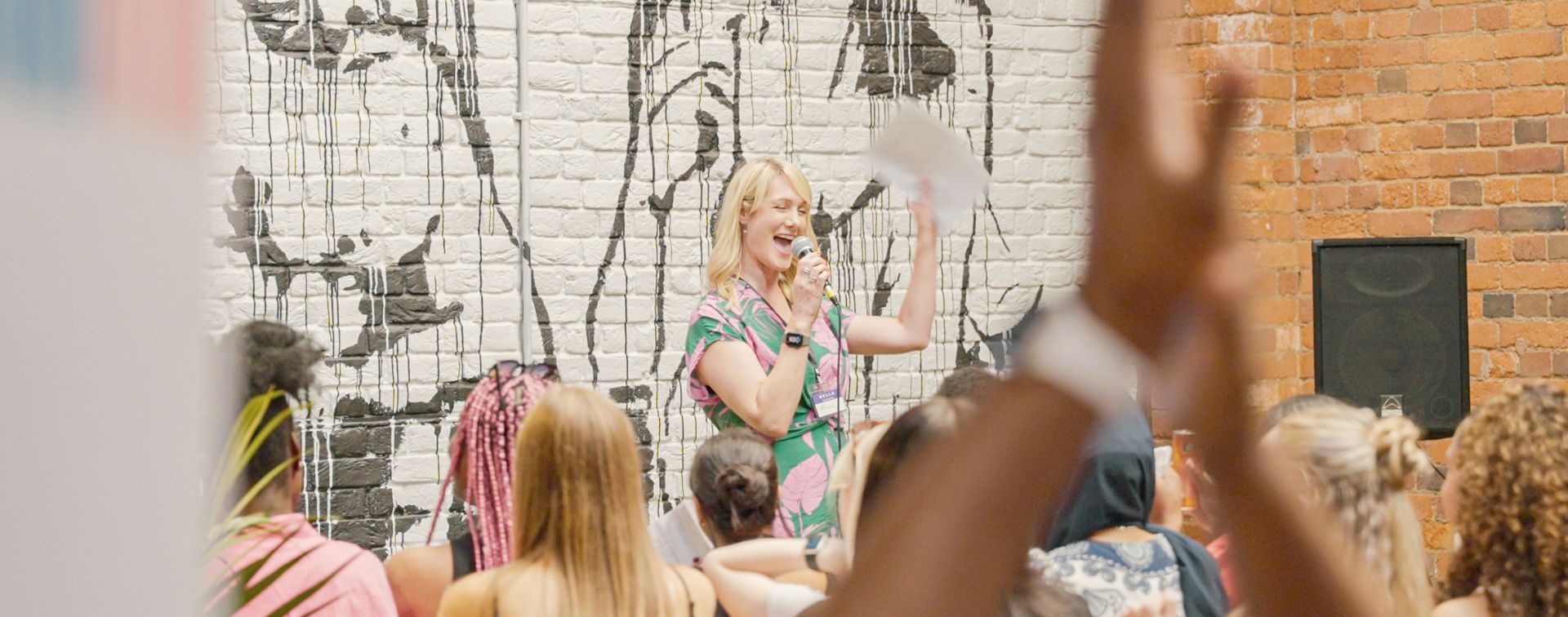
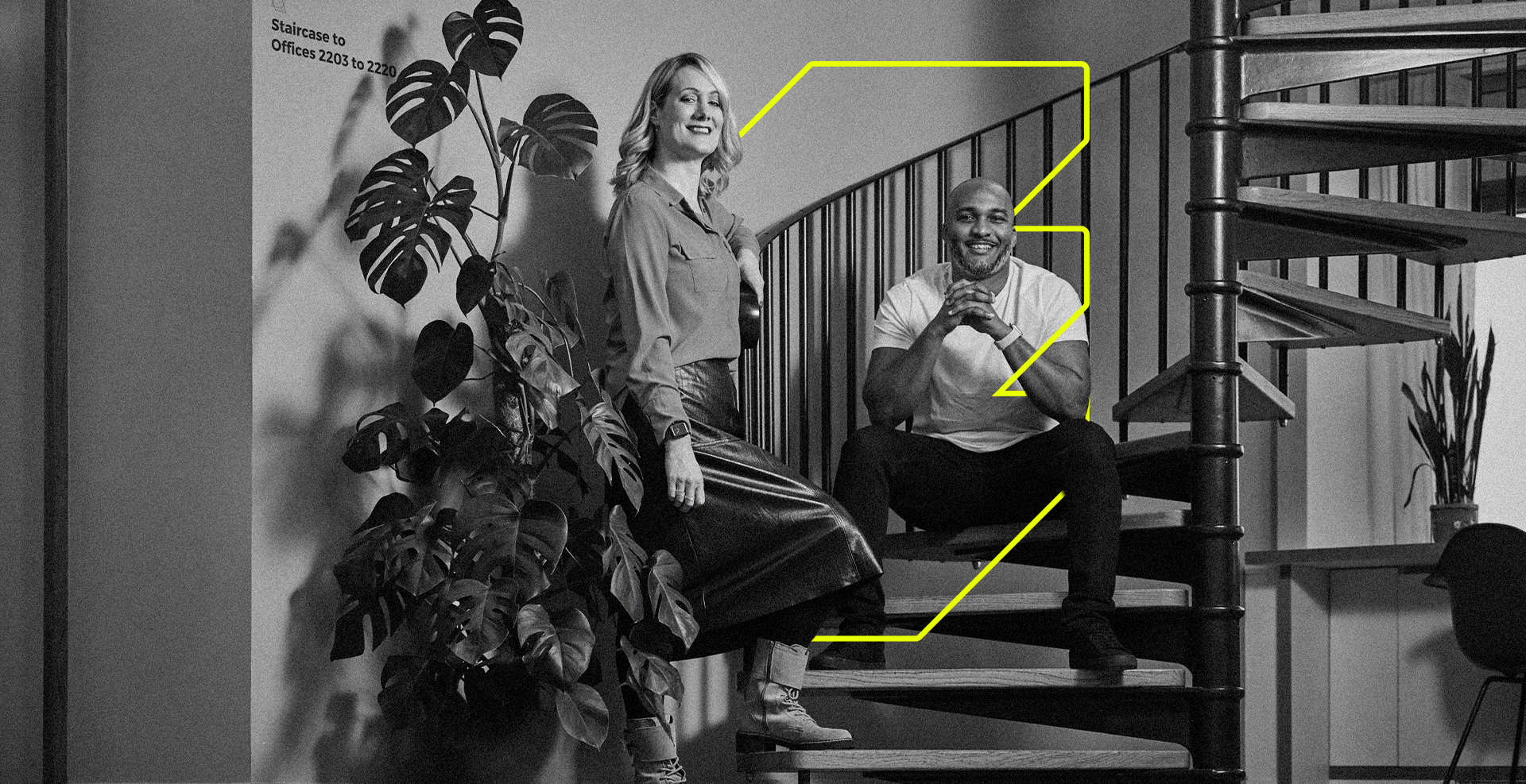
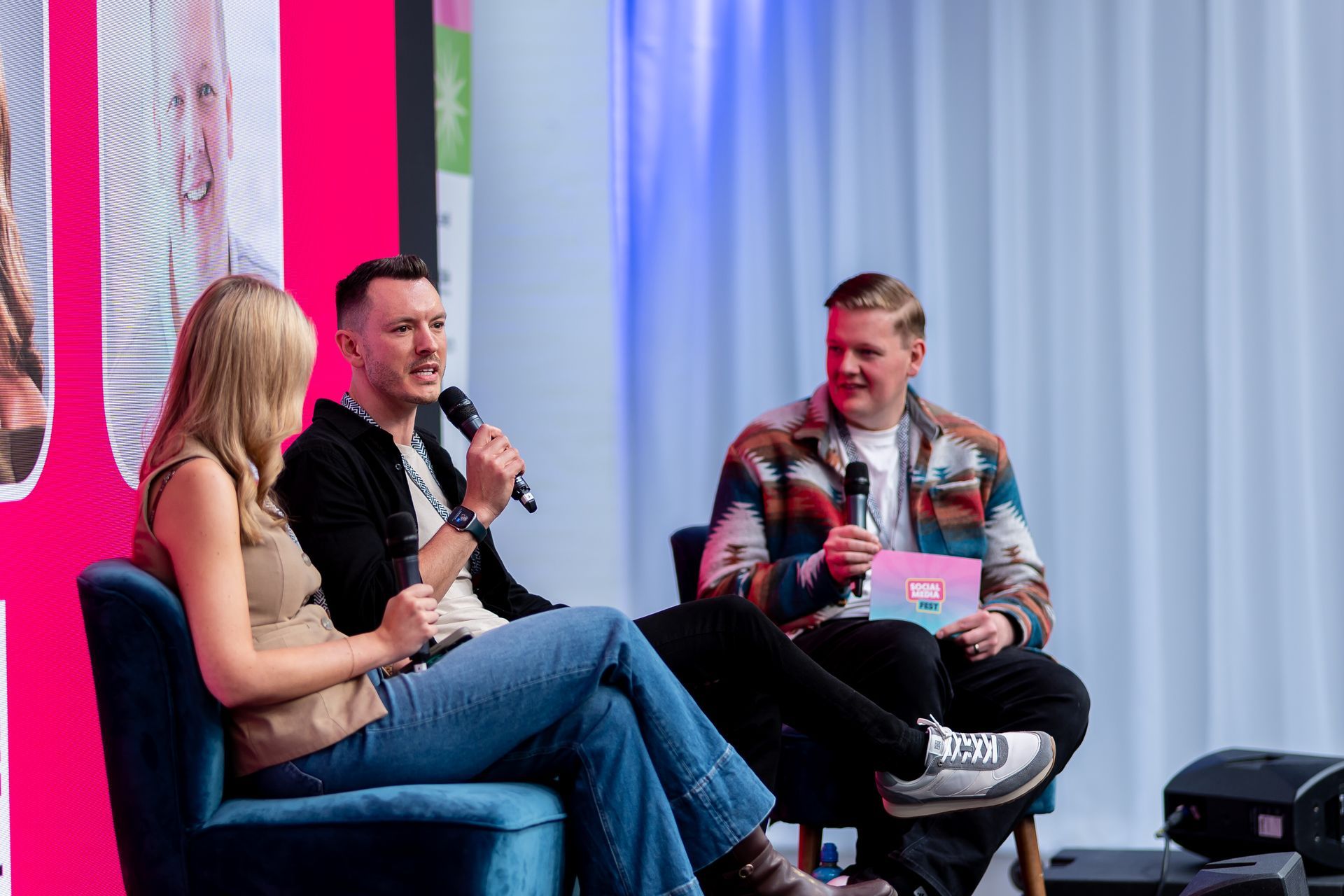
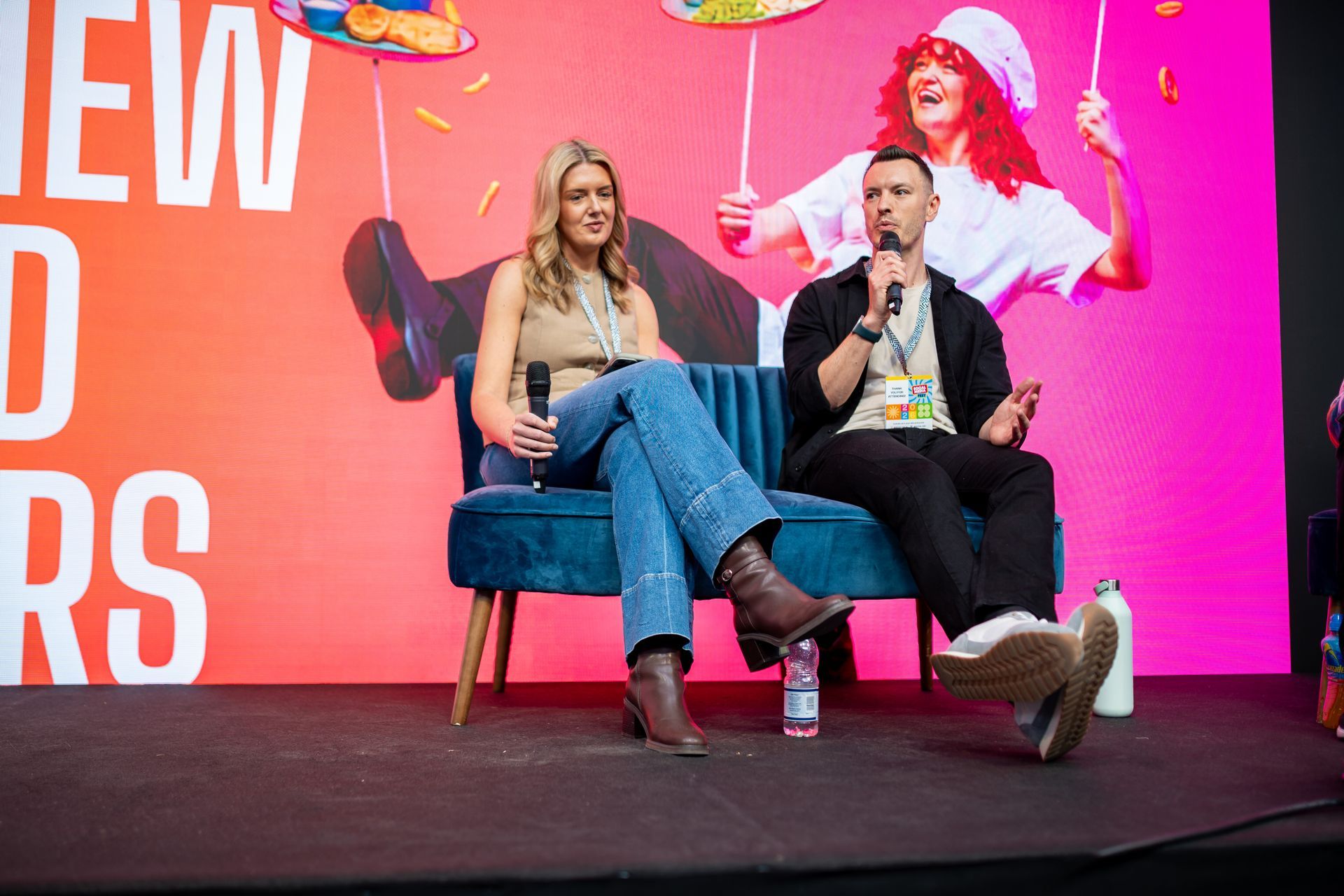
I'm Ollie McGrath, Client Growth Manager at Tribera. We work with Greene King on their recruitment content, and we were recently asked to share how the whole approach works on the main stage at Social Day, in a session called "How Greene King Uses EGC to Find New Customers and Staff," alongside Greene King's Scott Frankham and Jessie Andrews. Here's what we've learned, and how you can start something similar.

Why does employee generated content work?
Because the people already doing the job are more believable than any brand channel.
Customers and candidates have both learned to discount official messaging. They know a careers page or a promoted post is written to sell. What's harder to fake-detect is a team member who clearly enjoys their shift. The Edelman Trust Barometer has found for years that ordinary employees are trusted more than CEOs or company channels. That's the whole strategy. Greene King didn't invent a trick. They handed the camera to the people customers already wanted to hear from.
The programme that proved it
Greene King proved this at scale. They trained teams in all 1,600 pubs to run their own local social. Today 83% post every week across Facebook, Instagram and TikTok. Their TikTok reach went from zero to 91 million in twelve months. Over 95% of the company's organic reach now comes from local pages rather than central ones.
The insight underneath it is plain. Customers don't choose a pub by its brand. As Scott Frankham, Greene King's Head of Social Media, put it: "Think about the last time you chose a pub. You probably didn't pick it for the brand, you picked it because it was local." Their own research found 70% of customers check a pub's social pages before visiting. So the local team isn't a nice-to-have. It's the thing deciding whether someone shows up at all.
How do you start an employee generated content programme?
Greene King's team uses three words: empower, enable, govern.
Empower means picking the right person and giving them genuine ownership. Enable means clear briefs, the right tools, and a plain list of what not to post. Govern means moderating what goes out and feeding problems back as training, not punishment.
Two things matter most at the start. Run a pilot before you roll anything out, and prove the commercial impact early. Greene King ran theirs across 20-plus pubs against a control group, and showed a 1% like-for-like sales uplift and a 3% rise in bookings. That's the number that got the full programme funded. Reach is nice. A finance team signs off on sales.
Who should actually make the content?
Greene King trains assistant managers as the default lead, then actively encourages them to hand the camera to whoever in the team already lives on TikTok. You can't force this. They've run shoots where the team wasn't into it, and the content felt awkward, which makes the audience feel awkward too.
So find your naturals and feature them again and again. Familiar faces become characters that audiences follow. And when you're asking people to perform on top of their day job, reward it properly. Treat your best creators like creators, not like staff doing you a favour.
What happens when it goes wrong?
This is the part most brands underestimate, and the part you cannot skip. Greene King moderate 15,000 to 20,000 posts a week across more than 4,000 accounts. Every post gets graded, and anything risky goes into an escalation workflow to be pulled fast. They give every pub one filter before posting: does this give an attractive window into our pub? Once teams understood that purpose, the share of content needing intervention fell from around 15% to under 1%.
The feedback loop is the point. When something misses, the team learns why, so the next post is better. As Jessie Andrews, Greene King's Local Marketing Manager, said, this isn't a one-and-done training, it's something you keep running.
Can the same thinking work for recruitment?
Yes, and this is where our work came in. We came at it from a different angle. Rather than employees making the content, we made them the stars of it.
Post-Covid, Greene King had a hiring problem. Pub work is a genuinely good job, but a supermarket down the road could often match the pay, and seasonal applications slowed. For our summer recruitment campaign, we cast real Greene King team members as the heroes, turning chefs and front-of-house staff into something closer to a stage show. The results beat the previous seasonal campaign across the board. Applications rose 111%.
"The logic was simple. If real people are what make customers choose you, real people are what make the right candidates apply. We just built the campaign around that."
Where to start
If you want to start this week, do one thing: find the single most naturally social person in one location, give them a clear brief and your blessing, and see what comes back. One willing person in one site will teach you more than a strategy deck. The brands winning at this aren't the ones with the biggest budgets. They're the ones who trusted their own people first.
We help brands turn their teams into their best content creators, for customers and for hiring. If you're weighing up where to start, that's exactly the conversation we had with Greene King. Drop us a line.
HOW LONG DOES IT TAKE TO SET UP AN EMPLOYEE GENERATED CONTENT PROGRAMME?
Longer than you'd expect, and that's healthy. Greene King spent roughly a year before full rollout, running pilots of about 12 weeks to prove performance and then to prove it could scale. The first version that works rarely scales as-is, so build in time to redesign it for volume.
DOES EMPLOYEE GENERATED CONTENT ACTUALLY DRIVE SALES, OR JUST REACH?
Both! Greene King didn't fund this on vanity metrics. They tracked a pilot against a control group, saw a 1% like-for-like sales uplift, and used card data to confirm they were bringing in customers who hadn't visited in over a year.